
How Schools Can Promote Reading Over the Christmas Break
by ePlatform Collection Management | Ngw 17, 2025 | Categories : Americas Asia AU & NZ Articles Tips and Tricks UK & Europe
Estimated reading time: 7 minutes | Last updated: November 2025
The end of the school year comes with a familiar challenge. Students are excited, routines are winding down, and reading often takes a back seat as families prepare for the Christmas break. It is a joyful time, but it is also one of the easiest moments for reading habits to slip.
For librarians, this is where a few simple actions can make a big difference. A short reminder in the newsletter. A clear set of login instructions for the digital library. A quick holiday reading challenge students can take home. These small touchpoints can help keep reading alive during the holidays and protect the momentum students have built throughout the year.
This article gives Christmas holiday reading ideas for schools and shows how librarians can promote student reading before the break. You will find practical communication templates, librarian focused promotion ideas, student friendly activities, and ready to use resources you can share with your school community before students head home.
Whether you have one day left or two weeks, these reading strategies for the Christmas break will help your school library stay active, connected and ready for the new term.
Key Takeaways
- Holiday reading often drops without clear reminders or guidance from the school library. A few simple communications can make a significant impact.
- Librarians can boost engagement by promoting easy access to the digital library, highlighting quick start guides, and sharing student friendly holiday activities.
- Small actions such as adding reading instructions to the final newsletter or creating a short challenge can help families support reading over the break.
Table of Contents
- Why Christmas Holiday Reading Matters for Students and How School Librarians Can Help
- What School Librarians Should Communicate Before the Christmas Break
- Promotion Ideas to Boost Student Reading Engagement Over the Christmas Holidays
- Holiday Reading Resources for School Libraries
- FAQs
- Final Thoughts
Why Christmas Holiday Reading Matters for Students and How School Librarians Can Help
The Christmas break is a major interruption to students’ reading routines. For many children, it is the longest stretch of the year without structured learning, and even strong readers can lose momentum when school closes. Research shows that extended breaks from reading can affect fluency, confidence, and motivation, especially for younger readers (Shinwell & Defeyter 2017. Investigation of Summer Learning Loss...).
This is why holiday reading matters. A few minutes a day is often enough to maintain progress, but most families will only prioritise it if the school reminds them and makes the process simple. That reminder usually comes from one place: the library.
Librarians play a central role in keeping reading visible in the final weeks of term. You are the one who can highlight easy ways to access books during the break, share quick start recommendations, and make sure students have the tools they need before they head home. Even a small nudge can be the difference between students reading nothing for six weeks or discovering books they enjoy over the holidays.
The good news is that promoting holiday reading does not require large programs or complicated planning. A few well timed communications and a handful of simple ideas can set your students up for success and help them return in the new year feeling confident and ready to learn.
What School Librarians Should Communicate Before the Christmas Break
Strong holiday reading starts with clear communication. Families are busy, teachers are wrapping up the term, and students are counting down to holidays. A simple message from the library can cut through the noise and make it easy for everyone to keep reading over the break.
Below are the most effective communications to send in the final weeks and days of term. Each one is quick to prepare and helps ensure students know how to access your collection from home.
1. A short blurb in the final school newsletter
The school newsletter is often the most reliable way to reach both students and families. Include:
- A reminder that the digital library is available 24/7 during the holidays
- Clear login instructions
- A link to your holiday reading challenge or ideas list
Keep it short, warm, and easy to follow.
2. A parent letter that explains how to access the digital library
A simple parent letter or PDF helps families who may forget usernames or passwords. Include:
- How to sign in, browse and borrow eBooks and Audiobooks
- How to download the app for use on devices at home
- How to borrow eBooks or Audiobooks for offline reading and listening
- Who to contact if they need help
Parents appreciate clarity during a busy time of year.
3. A quick message for teachers to post in their LMS
Most students check the school's portal or Learning Management System (LMS) before the break. Provide teachers with a ready to copy message that includes:
- A friendly reminder to keep reading over the holidays
- Clear instructions on where to find the digital library
- How to log in, browse and borrow
- A recommended reading list or activity link
This ensures students receive the information even if they do not see the newsletter.
4. A visible reminder inside the library
Posters, bookmarks, and QR codes placed near the exit can prompt last minute borrowing.
These reminders help students leave the building already thinking about what they want to read.
5. A final morning announcement before school ends
A short announcement can create excitement and encourage students to take one more book home.
A simple script like “Remember to check out a holiday read before you go” can make a significant difference.
Clear communication does more than pass on information. It gives families confidence, helps students stay connected to reading, and ensures your holiday engagement efforts reach the people who need them most.
Promotion Ideas to Boost Student Reading Engagement Over the Christmas Holidays
Keeping students engaged with reading during the holidays does not need to be complicated. A few simple activities can spark motivation, give students a sense of choice, and make reading feel like part of the fun rather than an obligation. These ideas work across year levels and can be shared with teachers and families before students head home.
1. Create a simple Holiday Reading Challenge
A simple holiday reading challenge is an easy way to give students a clear goal and a bit of motivation before they head off for the break. Challenges work well because they add structure without feeling like homework, and they give families fun, low-pressure ways to keep reading part of their holiday routine.
Below are a range of ideas that schools can use as standalone activities or mix together to create a custom challenge for their community. Or... create your own!
Holiday Reading Bingo: Share a simple bingo card with fun reading prompts. Students complete any row or the whole card during the break.
Finish one book before school resumes: Set an easy goal for all students. Choose one book to start now and finish before the new school year begins.
Read both an eBook and an Audiobook: Encourage students to explore different formats by reading one eBook and listening to one audiobook over the holidays.
Create a Summer Reading Blog: Invite students to write posts about the books they’re reading and share them on the school’s website or social media.
Photo Competition: Encourage students to take photos of the most unique places they’ve read, like on a mountain, under the stars, or at a local park. Offer a small prize for the most creative photo.
Reading Scavenger Hunt: Students can complete a list of tasks (e.g., find a mystery novel, read a book by an author from another country). Parents can help track the progress and even win rewards too!
Book vs. Movie Review: Encourage students to read a book and then watch its movie adaptation. Afterward, they can write or record a review comparing the two and share their opinions with friends or on a class blog.
Create a Book-Themed Project: After reading a series, invite students to create a scrapbook, video, or artistic representation of the characters and events. For example, they could draw their favourite scene, or create a “book trailer” video that summarises the story.
Family Audiobook Road Trip: Create a summer Audiobook playlist for families to listen to while on road trips or during family gatherings. Have students vote on a book to listen to as a group and discuss the plot afterward.
Random Read Challenge: Challenge kids to randomly pick a book they wouldn't usually choose. Have them record their thoughts afterward. Did they enjoy it? What did they learn? This can introduce them to new genres and authors.
Write Your Own Adventure: Have kids write their own story with themselves as the main character. This will not only keep their creativity flowing but also allow them to dive deeper into the characters they enjoy reading about.
The aim is not to complete every task or track every activity. The goal is to give students gentle encouragement and fun ways to stay connected to books while school is closed. Keep the challenge flexible, offer plenty of choice, and make it easy for families to join in at a level that works for them.
2. Share a shortlist of easy holiday reads
Choosing a book is often the biggest barrier to getting started, especially when students are tired at the end of term or unsure what they feel like reading. A simple, well curated list removes that decision fatigue and gives students an easy way to dive in.
Create a shortlist of high interest, easy to start titles that work well for holiday reading. Include quick reads, popular series starters, graphic novels, and audiobooks. These formats are ideal for students who may be travelling, spending time with family, or fitting reading around other holiday activities.
Where possible, offer separate lists for juniors, middles, and seniors so each age group can find something that matches their reading level and interests. This also helps teachers point students to the most suitable list before they head off for the break.
You can share the shortlist in the final school newsletter, post it in your LMS, add it to your library homepage, or include it in printed bookmarks or QR codes for students to take home. The easier it is for students to find a great book, the more likely they are to begin reading straight away.
3. Promote audiobooks for travel and downtime
Audiobooks are one of the easiest ways for students to keep reading during the holidays, especially when routines change and quiet reading time is harder to find. Families spend more time in the car, on flights, or visiting relatives, and Audiobooks turn this travel time into meaningful reading time. They help students maintain vocabulary, comprehension, and exposure to language even when they are away from home.
Encourage families to browse a few options and download a title before they travel so students can listen offline. This simple step prevents frustration when internet access is limited and makes it more likely that students will actually press play.
You can also highlight Audiobooks with strong narrators, family friendly titles, or short listens that are perfect for road trips. Remind families that audiobooks work well for reluctant readers too, since they can follow along without pressure and enjoy the story at a comfortable pace.
Sharing a small curated Audiobook list in your newsletter, LMS, or library homepage can make it even easier for families to get started.
4. Encourage students to pick a “holiday starter book”
Giving students a book to begin before they leave school can make a noticeable difference to their holiday reading. The simple act of choosing a “starter book” creates a small sense of commitment and makes it much more likely that students will continue reading once the break begins. It also removes the decision overwhelm that often stops students from getting started at home.
Teachers can set aside a few minutes in class for students to browse titles or choose something from a recommended list. The library can support this by setting up a small display of quick reads, popular series starters, and high interest titles that work well for holiday reading. Digital options can be included too, with QR codes that link directly to eBooks or audiobooks.
You can also encourage students to share their chosen starter book with a friend, classmate, or family member. This adds a social element and creates a natural conversation point when everyone returns to school in the new year.
5. Suggest reading together as a family activity
Reading does not have to be a solo activity, and the holidays give families more opportunities to enjoy stories together. When parents join in, it helps build positive reading habits, strengthens comprehension, and keeps reading part of the daily rhythm even when school is closed.
Encourage families to choose a book they can read or listen to as a group. This can be a chapter book at bedtime, an audiobook during a drive, or a favourite picture book shared with younger siblings. Family reading does not need to be formal or structured. Small moments of connection are enough to keep students engaged.
Parents can:
- Read a chapter aloud
- Take turns reading with their child
- Listen to an audiobook together
- Talk about a character or favourite part
These simple interactions model reading for enjoyment and help students stay connected to stories throughout the holidays.
6. Provide ideas for reluctant or busy readers
Not every student will sit and read for long stretches during the holidays, and that is completely normal. Reluctant readers, busy families, and students who are travelling often need options that feel lighter, quicker, and easier to fit into the day. By offering simple alternatives, you make reading feel more achievable and remove the pressure that can discourage students from trying.
Share a few practical suggestions that families can use at home. These small adjustments can help students stay connected to reading without needing long blocks of quiet time.
Ideas for Reluctant or busy readers include:
- Choosing short books or graphic novels
- Listening to a chapter a day
- Reading during breakfast or before bed
- Mixing reading with screen time by turning on subtitles
These options help keep reading accessible for every student and make it easier for families to support literacy even when routines change.
Holiday engagement grows when students feel that reading is enjoyable, easy to start, and fully supported by their school. When librarians share simple, flexible ideas that families can dip into at their own pace, reading becomes something students can return to whenever they have a spare moment. A small challenge, a recommended list, or a fun activity can be all it takes to keep students connected to stories over the holidays. With the right guidance in place, families are far more likely to keep reading alive all season long and students return to school feeling confident, prepared, and ready to learn.
Holiday Reading Resources for School Libraries
Having the right resources ready before the break makes it easier for families to support reading and helps students stay connected to your library. These tools save time for busy staff and give your school community everything they need in one place.
1. Letter to Parents about Holiday Reading
A simple letter that explains how to sign in, borrow books, and read offline is one of the most valuable resources you can share. Families often misplace login details at this point in the year, so clear instructions remove barriers and prevent students from disengaging.
Click here to download ePlatform's Letter to Parents (Holiday Reading) Template
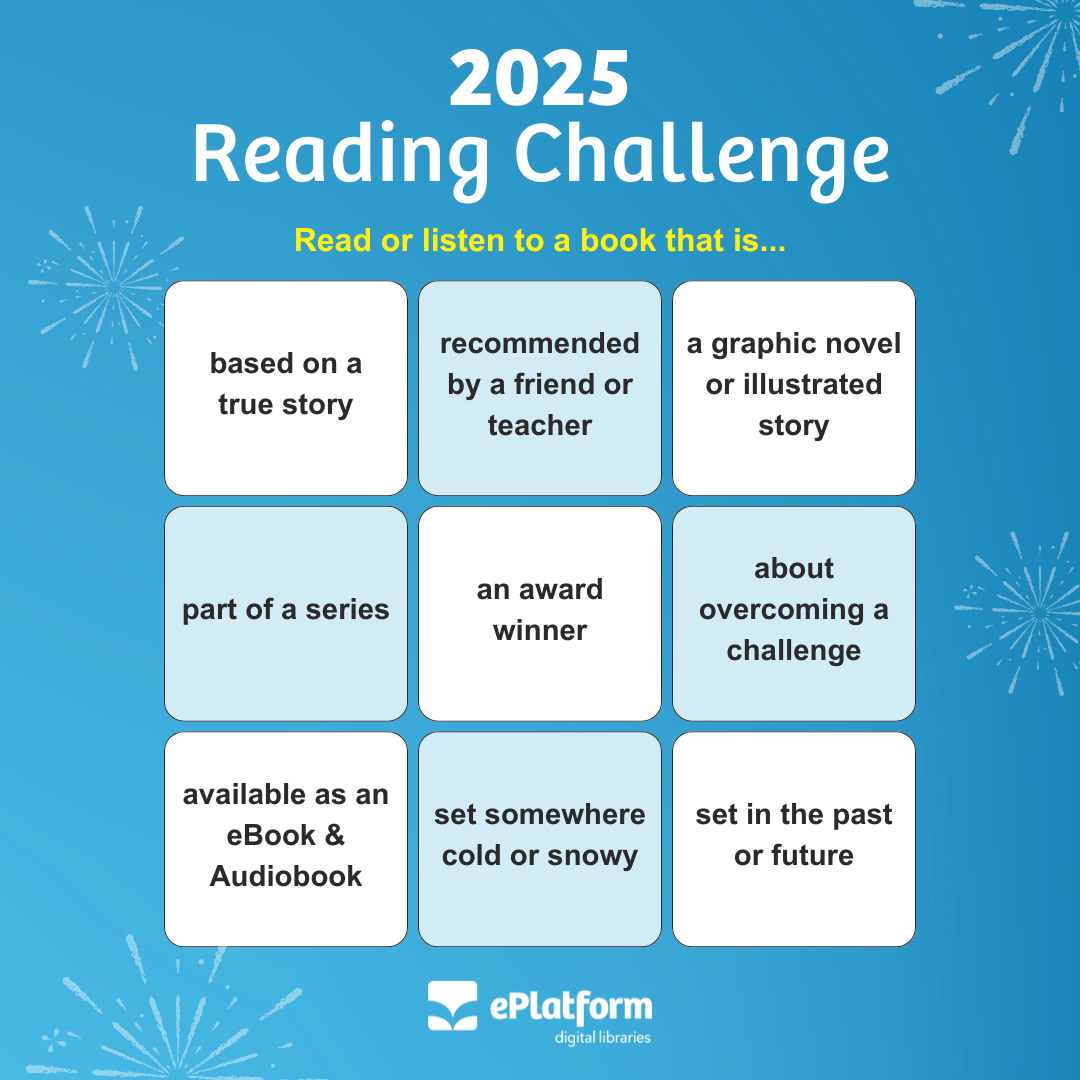
2. Holiday Reading Bingo Challenge
A bingo challenge is a simple and engaging way to motivate students to read over the holidays. The mix of prompts gives students plenty of choice, and the format works well for both independent readers and families who want an activity they can do together. Students can complete a single line or try to fill the whole card across the break.
The challenge is easy for teachers to share in class, add to the LMS, or include in the final school newsletter. It also gives librarians a fun, ready to use resource that encourages exploration, variety, and regular reading throughout the holidays.
Click here to download the Holiday Reading Bingo Challenge
3. Make the Most of ePlatform's Promotional Materials
The end of term is the perfect moment to refresh the reminders students and families see about your digital library. Many schools already have useful promo materials ready to go, and a simple visibility boost can make a big difference.
Use resources such as:
- Posters and bookmarks: Place these in high visibility spots around the library, in classrooms, on notice boards, and in hallways or stairwells so students see them as they move around the school.
- Login guides: Share clear step by step instructions through the school portal, newsletter, and LMS pages so families can quickly help students log in from home.
- Social media images: Repost your existing graphics on school social channels or class pages to give families a quick visual reminder about where to find the digital library.
- Short how-to videos: Add these to your library homepage or LMS so students can watch a quick refresher on borrowing, using audiobooks, or reading offline.
- Digital banners: Upload banners or promo images to your school portal or library landing page to keep reading tools front and centre once school is closed.
Click here to explore ePlatform's full suite of Promotional Resources
(Or go to your ePlatform Portal > Admin > Promotional Resources)
A small refresh of these materials helps students remember how to access your collection and makes it much easier for families to support reading during the holidays.
FAQs
How much should students read over the holidays?
Even a small daily habit can make a difference. Ten to fifteen minutes a day helps students maintain fluency and confidence. The goal is consistency rather than long reading sessions.
Do audiobooks count as reading?
Yes. Audiobooks support vocabulary development, comprehension, and listening skills. They are especially useful for reluctant readers, busy families, and students who travel during the break.
What if students forget their login details?
This is very common at the end of term, which is why sending home clear access instructions is important. A parent letter or bookmark with login steps removes barriers and makes holiday reading much more likely.
How can teachers help promote holiday reading?
Teachers can post a short message in their LMS, remind students in the final class, or encourage students to choose a holiday starter book. These small actions reinforce the library’s message and reach students who may not visit the library before the break.
What types of books work best for holiday reading?
High interest, easy to start books tend to work best. Short novels, graphic novels, popular series starters, and engaging audiobooks help students ease into reading without feeling overwhelmed.
How can we support reluctant readers during the holidays?
Offer simple options like short books, audiobooks, reading with subtitles, or a small daily challenge. These lower the pressure and help students build positive reading experiences over the break.
Final Thoughts
Holiday reading does not need to be complicated. A few clear messages, a handful of simple activities, and some ready to use resources can help students stay connected to books during the Christmas break. When libraries guide families and teachers with practical, easy steps, students return to school more confident and more prepared for the new year.
Every reminder you share makes a difference. Whether it is a newsletter blurb, a holiday reading challenge, or a quick list of recommended titles, these small actions can spark curiosity and keep reading alive when routines change.
Thank you for the work you do to support your school community. Your efforts help build strong, capable readers who see reading as something they can enjoy everywhere, all year round.