
eBooks for Schools: Save Budget & Support Every Student
by ePlatform Collection Management | See 06, 2025 | Categories : News Americas Asia AU & NZ Articles Library Success Stories Reading Lists Tips and Tricks UK & Europe Authors and Publishers
🕑 Estimated reading time: 11 minutes | Last updated: August 2025
Schools today are under more pressure than ever to give students the tools they need to succeed. With budgets stretched and classrooms more diverse, the question is no longer if schools should adopt digital resources, but how. One of the most effective answers is eBooks.
eBooks for schools bring the library into the hands of every student, anytime and anywhere. They make it easier for teachers to deliver lessons, for students to explore topics in depth, and for schools to provide equal access to resources without the limits of print.
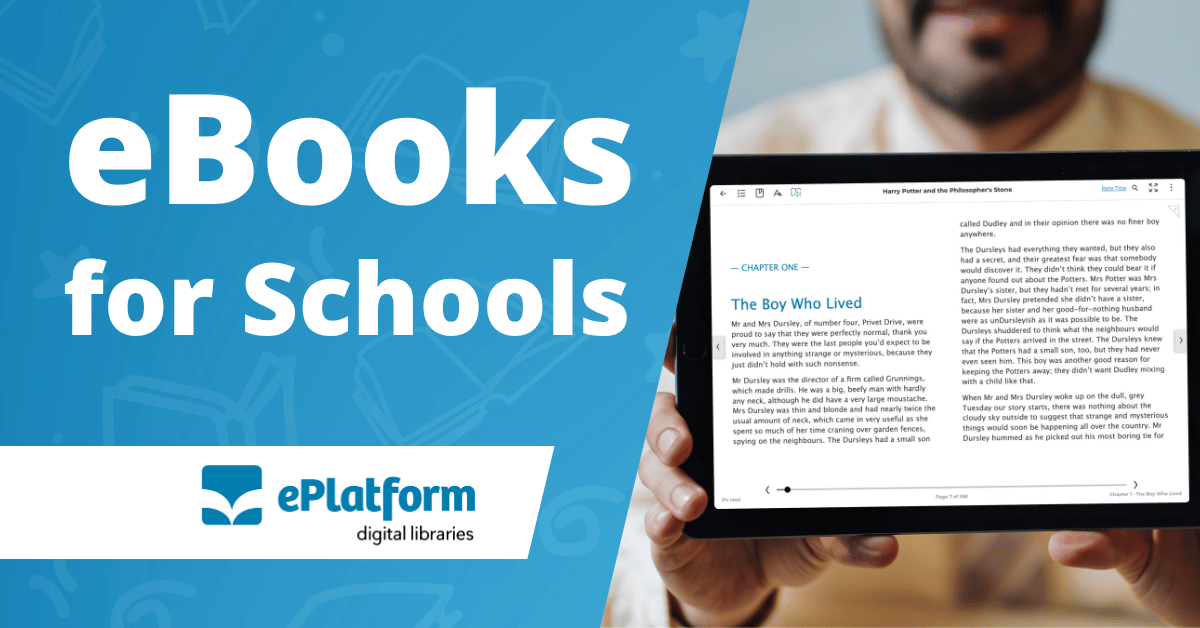
In this guide, we’ll break down what eBooks really mean for schools, why they are essential in modern classrooms, and how they can transform student learning.
Key Takeaways
- eBooks for schools give every student 24/7 access to learning materials, removing barriers of cost and availability.
- Digital access supports all learners, including students with different learning needs, by offering tools like adjustable fonts, text-to-speech, and translations.
- While print still plays a role, eBooks bring flexibility, scalability, and broader reach to modern classrooms.
- Schools are using eBooks not just for reading, but also to support lessons, homework, and independent study.
- Investing in eBooks helps schools future-proof their libraries while engaging students with resources that fit how they learn today.
Table of Contents
- What Are eBooks for Schools?
- Why eBooks Are Essential in Modern Classrooms
- How eBooks Support Student Learning
- Comparing eBooks and Print in Schools
- Accessibility and Inclusion Benefits of eBooks
- How Schools Use eBooks in Schools
- FAQs
- Final Thoughts
What Are eBooks for Schools?
eBooks for schools are digital versions of textbooks, novels, and non-fiction titles that students can access anytime and anywhere. Instead of being tied to a single physical copy in the library, eBooks can be opened on laptops, tablets, or even smartphones.
For schools, this goes beyond convenience. An eBook collection allows multiple students to access the same book at once, removes the need for bulky storage, and makes updating resources far simpler than replacing shelves of worn copies.
In practice, eBooks are not a replacement for traditional print. They are becoming an essential part of how schools build modern libraries and create engaging learning environments. With the right platform, schools can offer curriculum texts, popular fiction, and specialist resources in a way that feels natural for today’s learners.
Why eBooks Are Essential in Modern Classrooms
Modern classrooms are no longer limited to the four walls of a library. Students expect learning to be flexible, interactive, and accessible, and eBooks deliver on all three.
eBooks give teachers the ability to integrate reading into any subject area with ease. Instead of waiting for a physical copy to become available, a whole class can access the same title instantly. This creates more opportunities for group discussions, book clubs, and shared assignments that keep students engaged.
For schools, eBooks solve common challenges. They reduce the cost and time of managing physical collections, allow instant updates to resources, and ensure that every student has access to the same high-quality content regardless of background. The result is a more inclusive classroom where no student is left behind simply because the library ran out of copies.
How eBooks Support Student Learning
eBooks give students more than just another way to read. They come with built-in tools that help every learner engage with the text in a way that works best for them. Features like adjustable fonts, text-to-speech, and integrated dictionaries make reading more accessible to students with different learning needs.
Digital reading also encourages independent learning. Students can highlight passages, add notes, and revisit sections instantly. These small actions help them build stronger comprehension and improve retention of key ideas. Teachers can then track engagement and guide students toward better study habits.
Perhaps the biggest benefit is the way eBooks remove barriers. Whether a student is learning English, managing a vision difficulty, or simply struggling to stay engaged, the flexible design of eBooks ensures they can access the content and grow their skills alongside their peers.
Comparing eBooks and Print in Schools
Print books have always been a cornerstone of education, but they are not always the most practical option for today’s schools. Physical copies take up space, wear out over time, and often limit access to a single student at a time. For libraries working with tight budgets, buying multiple copies of popular titles can quickly become costly.
eBooks solve many of these challenges. A single digital library can serve hundreds of students at once, with instant access from any device. There is no waiting list for a copy to be returned, and no risk of books getting lost or damaged. Schools can also expand their collections more easily, giving students a wider range of reading choices without the constraints of shelf space.
The goal is not to replace print entirely. Many students still enjoy the feel of a physical book, and schools will always benefit from having both. But adding eBooks creates a balanced approach where traditional and digital formats work together to give students the best possible reading experience.
Accessibility and Inclusion Benefits of eBooks
One of the greatest strengths of eBooks in schools is how they make reading more accessible for every student. With adjustable text size, built-in audio options, and compatibility across devices, eBooks remove barriers that can hold some learners back. A student who struggles with small print, for example, can instantly enlarge the text, while another who learns best through listening can switch on the audiobook version.
This flexibility is especially valuable for students with learning differences such as dyslexia, or for those learning English as an additional language. Features like highlighting, dictionary lookups, and text-to-speech provide extra support, helping these students build confidence and stay engaged with the material.
By offering eBooks, schools create a more inclusive learning environment. Every student has the chance to access the same texts, in a format that suits their needs, without feeling singled out. This ensures that digital libraries are not just a convenience but a powerful tool for equity in education.
How Schools Use eBooks in Schools
Schools are finding creative ways to make eBooks part of everyday learning. In many classrooms, teachers assign eBooks as set texts or supplementary reading, giving students the flexibility to access titles anytime from their own devices. This removes the limitations of having only a few print copies available in the library.
Libraries are also expanding their reach through digital collections. Instead of waiting for a book to be returned, students can borrow instantly, which keeps momentum high and encourages consistent reading habits. Some schools even build themed eBook collections—such as wellness titles, curriculum-linked novels, or high-interest picks—to spark engagement across different groups of students.
Beyond independent reading, eBooks are used in lessons to bring texts alive. Teachers can project passages onto a screen, highlight key sections, and guide discussion without needing to photocopy chapters. With features like note-taking, highlighting, and integrated dictionaries, students are more active participants in their reading. The result is a more modern, interactive approach to literacy that fits seamlessly into today’s classrooms.
FAQs
Are eBooks replacing print books in schools?
No. Most schools use eBooks alongside print. The two formats complement each other, giving students more choice and making sure resources are always available.
Do eBooks work on all student devices?
Yes. With a school eBook platform, students can usually read on laptops, tablets, or phones. Many platforms also offer offline access, so learning doesn’t stop without Wi-Fi.
Are eBooks good for struggling or reluctant readers?
Absolutely. eBooks include built-in tools like adjustable text size, audio support, and integrated dictionaries. These features help struggling readers access the same content as their peers with less frustration.
Do teachers have control over eBook use in class?
Yes. Teachers can assign specific titles, track usage, and even create class sets where multiple students borrow the same book at once. This makes it easy to align eBooks with lessons.
How much do eBooks cost schools?
Pricing depends on the platform and collection size. Many schools join shared collections, which give them access to thousands of titles at a fraction of the cost of buying individually.
Final Thoughts
eBooks are no longer a nice-to-have in schools. They are a powerful tool that helps teachers deliver lessons, supports students of all abilities, and makes libraries more accessible than ever. By combining the best of technology with the heart of education, eBooks give every student the chance to read, learn, and grow without barriers.
For schools, the real value lies in choice and flexibility. With the right eBook platform, you can expand your library instantly, engage reluctant readers, and provide resources that match your curriculum. The result is a stronger reading culture and better outcomes for students.
If your school is still weighing up the benefits, start small. Explore shared collections or trial a digital library to see how quickly students take to it. Most schools discover that once eBooks are introduced, they become an essential part of everyday learning.